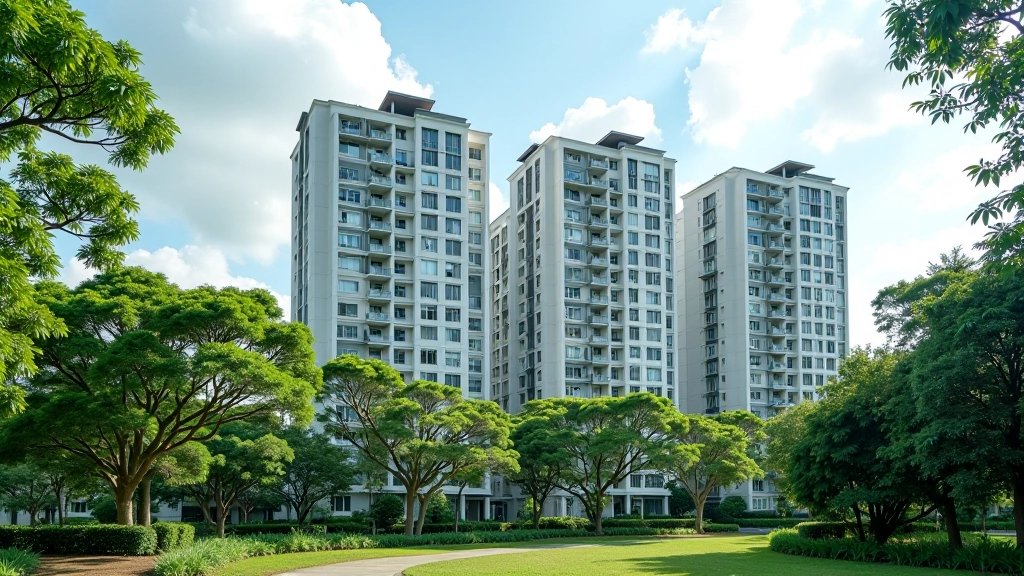

Breaking HDB subletting rules isn’t a gray area. The Housing and Development Board takes enforcement seriously, and if you’re caught violating the regulations, the consequences can be substantial. We’re talking financial penalties that range significantly, potential legal action, and in some cases, loss of your flat entirely.
The thing is, most people don’t realize how strictly HDB monitors subletting activity. They’ve got dedicated teams investigating complaints, and they’ve got the authority to take swift action. Let’s walk through exactly what happens when violations are discovered.
Financial Penalties: How Much Will It Cost You?
HDB can impose fines ranging from SGD 5,000 to SGD 20,000 for subletting violations. The amount depends on several factors including the duration of the illegal subletting, whether it was deliberate or accidental, and your history with HDB.
If you’ve been subletting without approval for years, you’re looking at the higher end of that penalty scale. If it’s a first-time discovery and you cooperated with investigations, the fine might be lower. But don’t expect leniency just because you didn’t realize what you were doing—ignorance of the rules won’t save you.
Beyond the initial fine, you’ll also face back-payment requirements. HDB calculates what you should’ve paid in rental income (based on prevailing market rates for your area) and demands that amount. For a two-bedroom flat in a desirable location, this can easily add another SGD 10,000 to SGD 30,000 to your bill.


Legal Action and Eviction: The Worst-Case Scenario
In serious cases—particularly if you’ve been running an unauthorized commercial rental operation or if you’ve breached the terms repeatedly—HDB can move to repossess your flat. We’re not talking about a warning here. We’re talking about losing your home and having to pay back rent plus penalties on top of it.
HDB can also pursue legal action through the courts. They’ll file charges, and you’ll need to defend yourself legally, which means attorney fees and court costs adding up quickly. Even if you win in court, you’ve already spent thousands on legal representation.
The repossession process works like this: HDB issues a notice to quit (usually giving you 3-6 months). If you don’t comply, they’ll go to court for an eviction order. Once that’s granted, you’re legally required to vacate. Failure to leave results in forcible eviction—bailiffs will physically remove you and your belongings.
How HDB Discovers Violations
You might wonder how HDB even finds out. The answer? Multiple ways, and they’re more effective than you’d think.
Neighbor Complaints
Neighbors report suspicious activity—frequent strangers, renovation work, signs of commercial operation. These complaints go directly to HDB.
Utility and Address Records
HDB cross-references utility accounts, postal records, and tax documents. If someone else’s name appears on utilities for your flat, that’s a red flag.
Online Listings
HDB actively monitors rental platforms and Airbnb listings. They’ve caught hundreds of people advertising HDB flats illegally online.
Inspections and Investigations
HDB conducts routine inspections. During these visits, they’ll notice signs of unauthorized occupation or modifications.

The Enforcement Timeline: What Happens Step by Step
When HDB discovers a violation, they don’t immediately come down hard. There’s actually a process, though it moves fairly quickly.
Investigation Initiated
HDB receives complaint or discovers violation through monitoring. They open a formal investigation file.
Official Notice Issued
You’ll receive a written notice demanding you stop the subletting immediately. You’ll have 14-30 days to respond and provide explanation.
Assessment of Evidence
HDB reviews your response and collects additional evidence. They’ll interview neighbors, check records, and document findings.
Penalty Decision
HDB issues a formal penalty notice with the fine amount and back-rent calculation. You’ll have 30 days to pay or appeal.
Enforcement Action
If you don’t pay or appeal fails, HDB can move to legal action. This includes court proceedings and potential repossession.
Protecting Yourself: The Only Real Solution
Here’s the reality: if you’re going to sublet, you need approval. There’s no gray area, no “probably okay” zone. Either you’ve got HDB’s written permission, or you’re breaking the rules. And if you’re breaking the rules, the penalties aren’t worth the risk.
The financial hit alone—fines plus back-rent—can run SGD 30,000 to SGD 50,000+ depending on how long you’ve been subletting. Add legal fees on top of that, and you’re looking at a serious financial setback. But the real consequence? Potentially losing your flat entirely. For most people, that’s their largest asset.
If you’re thinking about subletting, go through the proper channels first. It takes time, yes. But it protects you completely. If you’re already subletting without approval, consider reaching out to HDB to regularize the situation before they discover it. Early disclosure sometimes results in more lenient penalties than being caught.